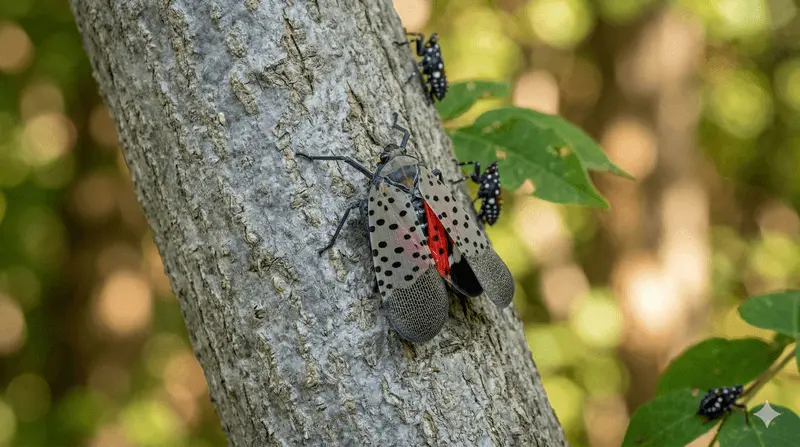
KINZUA — The polka-dotted threat has officially arrived. As of April 2026, the Pennsylvania Department of Agriculture has confirmed that the Spotted Lanternfly (Lycorma delicatula) continues its aggressive march across the Commonwealth, with 56 of Pennsylvania's 67 counties now under official quarantine. This includes nearby Venango County, placing the heart of the Kinzua region on high alert.
Why the Alarm?
While the adult insect is visually striking with its gray-spotted forewings and vibrant red hindwings, it is a relentless feeder that threatens Pennsylvania's multi-billion dollar agriculture and timber industries. The lanternfly uses a piercing-sucking mouthpart to sap nutrients from over 70 plant species, including grapes, hops, and hardwoods.
The Current Situation
Agriculture officials are keeping a close watch on the northwestern corridor. The stakes are particularly high for the wine and grape industries in neighboring Erie County. To combat the spread, the 2025-26 state budget has even funded specialized detection teams, including a lanternfly-sniffing dog named Ruby, who is deployed to identify egg masses in Western Pennsylvania.
The insect's life cycle is currently at a critical junction:
-
Hatching Season: Nymphs are expected to begin hatching from egg masses in May 2026.
-
Spring Monitoring: Residents are urged to inspect "hitchhiker" locations—vehicles, trailers, and outdoor gear—before traveling.
-
Check Your Vehicle: Always inspect your car and equipment when moving between counties to ensure you aren't transporting nymphs or egg masses.
-
Report Sightings: If you spot a lanternfly in a new area, take a photo and report it immediately via the state’s online portal or by calling 1-888-4BADFLY.
-
Destroy Egg Masses: Look for gray, mud-like smears on flat surfaces. Scrape them into a bag with rubbing alcohol to kill them before they hatch this spring.
-
Kill on Sight: State guidelines remain clear: if you see an adult or nymph, squish it immediately.
The "Tree of Heaven" Connection
The lanternfly strongly prefers the Tree of Heaven (Ailanthus altissima), an invasive tree often found along forest edges and roadsides. Removing these trees can significantly reduce the local lanternfly population by eliminating their primary breeding site.
How You Can Help: See It, Report It, Stop It
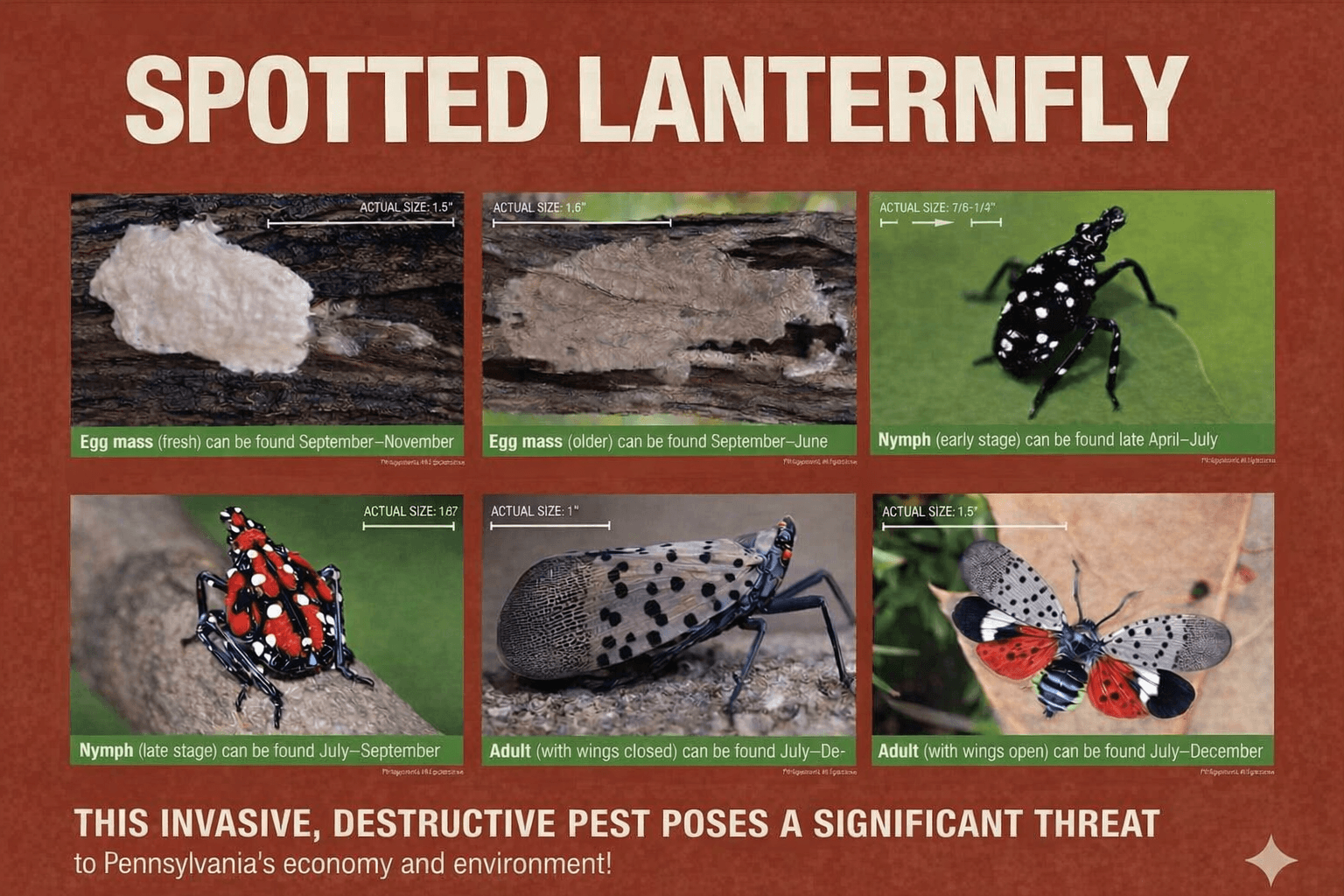
If you reside in a county not yet under official quarantine, such as Warren, your reporting is vital for tracking the infestation’s movement.
The Kinzua Gazette will continue to monitor local sightings as the May hatching season approaches.