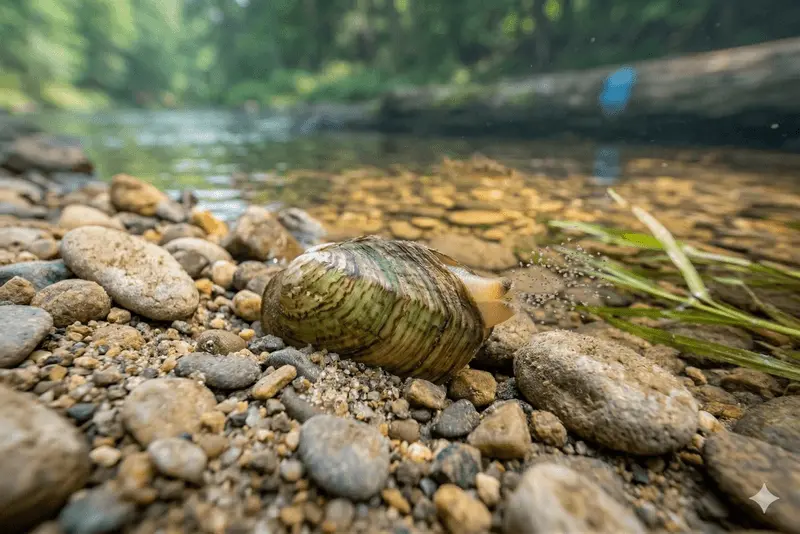
When visitors gaze out over the Allegheny River or the vast expanse of the reservoir, they usually focus on the leaping bass or the soaring eagles. But beneath the surface, buried in the river gravel, lies one of the most biologically diverse and endangered populations on the planet.
The Allegheny River is a global "hotspot" for freshwater mussels. While they may look like simple stones, these mollusks are the silent engineers of the waterway, and their presence is the ultimate litmus test for the health of the entire ecosystem.
The River’s Living Filters
Freshwater mussels are remarkable biological machines. A single mussel can filter up to 15 gallons of water per day, removing algae, bacteria, and silt.
-
The Cleaners: By "cleaning" the water as they feed, mussels improve light penetration, which helps aquatic plants grow and creates better hunting grounds for sight-predators like pike and bass.
-
The Indicators: Because mussels are sedentary and long-lived (some species live over 100 years), they cannot move away from pollution. If the mussels are dying, it is an early warning that the water chemistry is failing.
-
The Lure: Many female mussels grow a piece of tissue that mimics a small minnow or worm, complete with "eyes" and "fins."
-
The Snap: When a predatory fish strikes at the lure, the mussel releases thousands of microscopic larvae called glochidia.
-
The Ride: The larvae attach to the fish’s gills or fins for several weeks. They don't harm the fish; they simply hitch a ride upstream.
-
The Drop: Once developed, the juvenile mussels drop off and settle into a new stretch of riverbed, ensuring the colony expands.
-
The Northern Riffleshell: A small, delicate mussel that thrives in the oxygen-rich riffles of the river. It has lost 95% of its global range, with the Allegheny River serving as one of its last great strongholds.
-
The Clubshell: Named for its club-like shape, this mussel prefers clean, loose sand and gravel. It is so rare that it is protected with extreme measures by federal biologists.
-
The Barrier: The dam physically blocked the migration of the host fish that mussels depend on to move upstream.
-
The Temperature: Dams release water from the bottom of the reservoir, which is much colder than a natural river. This "cold-water shock" can prevent mussels from successfully reproducing.
-
The Silt: Without the natural seasonal scouring of floods, fine silt can settle over the riverbed, literally suffocating the mussels in their gravel homes.
-
Control Runoff: Silt and chemicals from yards and roads are the primary killers of mussels.
-
Watch Your Step: When wading in the river, try to stay on larger rocks rather than walking through fine gravel beds where mussels might be buried.
-
Leave Shells Behind: It is illegal to collect the shells of endangered species, even if they are empty.
The "Hitchhikers": A Miraculous Life Cycle
The most fascinating aspect of Allegheny mussels is how they move upstream. Because they cannot swim, they have evolved a sophisticated "parasitic" relationship with fish.
Species on the Brink
Of the 50+ species once found in the Allegheny, many are now federally endangered. Two "celebrity" species of the Kinzua region include:
The Kinzua Impact: A Changed Ecology
The construction of the Kinzua Dam in the 1960s significantly altered the "underwater wilds."
Conservation: The Great Relocation
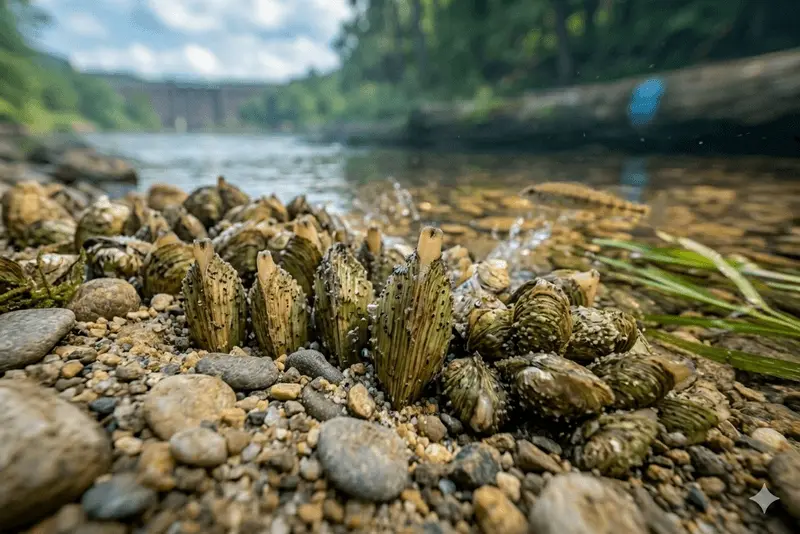
Conservationists in the ANF are taking bold steps to save these species. One of the most successful projects involves relocation.
When bridges are repaired or replaced along the Allegheny, teams of "mussel divers" painstakingly hand-collect every mussel in the construction zone. Endangered species are often moved to protected "sanctuary" reaches of the river or sent to hatcheries where they are helped to reproduce before being reintroduced to the wild.
How to Help
Most people will never see an endangered mussel, but everyone can help protect them:
The mussels of the Allegheny are the quiet guardians of our water. Their survival is a direct reflection of our commitment to keeping the Pennsylvania Wilds truly wild—from the mountain peaks down to the riverbed.