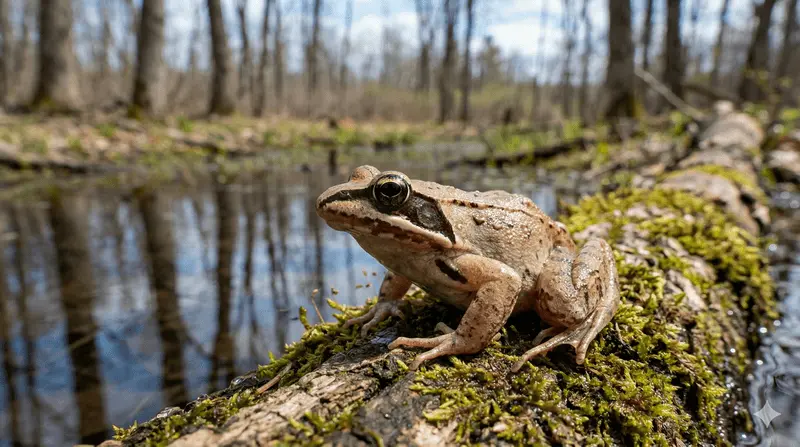
As the heavy snows of the Allegheny Plateau begin to retreat in late March, a quiet transformation occurs. In the shallow depressions of the forest floor—places that were dry enough to walk over in October—small, tea-colored ponds begin to shimmer. These are Vernal Pools, and for a few critical months each year, they become the most productive and high-stakes "nurseries" in the North Country.
On the high reaches of the Allegheny National Forest (ANF), these ephemeral wetlands are the engine room of forest biodiversity, hosting a dramatic cycle of life that must be completed before the summer sun arrives to take the water back.
What Makes a Pool "Vernal"?
The word vernal comes from the Latin for "spring." To be a true vernal pool, a body of water must meet three specific criteria:
-
Ephemeral Nature: They are temporary. They typically fill with autumn rains or spring snowmelt and dry up by mid-to-late summer.
-
Isolation: They are not permanently connected to streams or rivers.
-
The Fishless Advantage: Because they dry up periodically, they cannot support permanent fish populations.
This third point is the secret to their success. For a developing amphibian, a permanent pond is a gauntlet of hungry fish; a vernal pool is a safe haven.
The "Big Night": Migration in the Dark
The story of the vernal pool begins on the first warm, rainy night of spring, often when the ground is still partially frozen. This is known to naturalists as the "Big Night."
Thousands of amphibians—having spent the winter underground below the frost line—emerge simultaneously. They follow ancestral scents and subtle magnetic cues to return to the exact pool where they were born.
-
The Spotted Salamander: These six-inch-long "yellow-polka-dotted" giants trek across the forest floor to reach the water.
-
The Wood Frog: Perhaps the most resilient, wood frogs can actually survive being partially frozen in the winter. They are the first to arrive at the pools, their duck-like "quacking" calls echoing through the still-leafless woods.
High-Stakes Development
Once the eggs are laid—attached to submerged sticks in gelatinous clumps—the race against time begins.
The larvae (tadpoles and salamander larvae) must hatch, grow, and undergo metamorphosis into air-breathing adults before the pool evaporates.
-
The Danger: If the spring is too dry or the summer heat arrives too early, the pool may vanish before the larvae are ready, resulting in the loss of an entire generation for that site.
-
The Indicator: Fairy Shrimp are the true specialists of this habitat. Their eggs can remain dormant in the dry mud for years, only hatching when the pool refills. They live their entire lives in the few weeks the water exists.
Protecting the Nursery
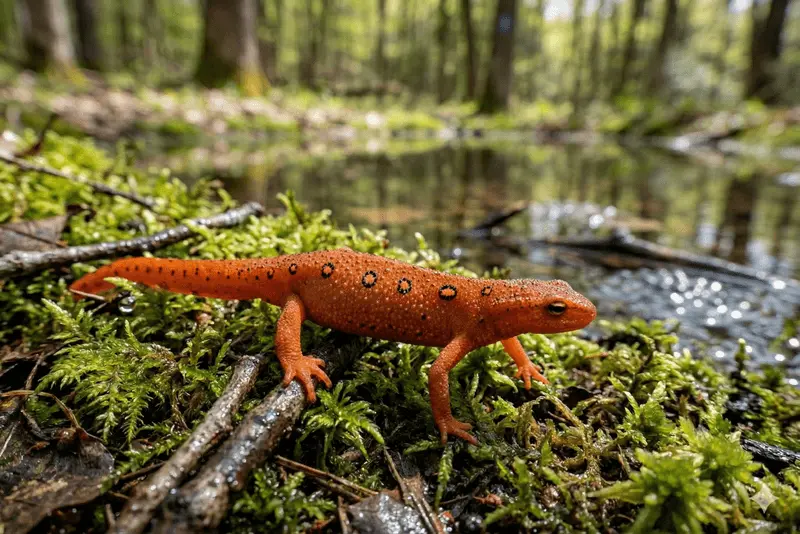
On the Allegheny Plateau, vernal pools are surprisingly fragile. Because they are small and temporary, they were historically overlooked or accidentally filled during road construction or logging operations.
Today, the Forest Service recognizes them as "Special Management Zones." * Buffers: When timber is harvested in the ANF, a "no-cut" or "limited-cut" buffer is established around vernal pools to keep the water shaded and cool.
-
Avoiding Disturbance: Foresters and trail builders work to ensure that the natural drainage patterns that feed these pools aren't disrupted. Even a small change in the slope of the land can cause a pool to stay dry.
A Walk in the Woods
If you are hiking the North Country Trail in April, keep your ears open for the chorus of frogs. While they may look like simple "mud puddles," these pools are ancient, essential landmarks. They are the link between the terrestrial forest and the aquatic world, ensuring that each spring, a new generation of yellow-spotted travelers begins its journey into the Allegheny wilds.