The Allegheny National Forest (ANF) and the surrounding Kinzua region are more than just scenic backdrops for recreation; they are dynamic, managed landscapes where conservation and wildlife management are core to the region's identity. This half-million-acre expanse of the Pennsylvania Wilds serves as a critical laboratory and sanctuary, balancing human use with ecological health.
The story of conservation here is one of remarkable recovery and ongoing stewardship.
The Working Forest Model: A Legacy of Balance
The ANF is unique in Pennsylvania. Unlike state parks or wilderness areas set aside purely for preservation, National Forests operate under a "multiple-use" mandate. This means managing resources for outdoor recreation, range, timber, watershed, and wildlife and fish purposes.
In the Kinzua region, this multi-use philosophy translates into a sophisticated form of conservation: Sustainable Forestry.
1. Sustainable Timber Harvesting
The ANF is renowned for its high-quality black cherry and other hardwoods. Timber harvesting is not just an economic activity; it is a critical tool for conservation.
-
Creating Edge Habitat: Strategic logging creates "young forests" (early successional habitat). This is essential for species that require dense, brushy cover, such as the ruffed grouse, American woodcock, and golden-winged warbler.
-
Reforestation: Following any harvest, the Forest Service ensures that new trees are planted or that natural regeneration is successful. This includes protecting young saplings from over-browsing by deer using fencing and other methods.
-
Managing for Age Diversity: A healthy forest has a mix of ages—from open meadows to dense young stands to towering old-growth. Active management, including controlled burns and harvesting, helps achieve this balance, preventing the forest from becoming a "biological desert" of uniform-aged trees.
-
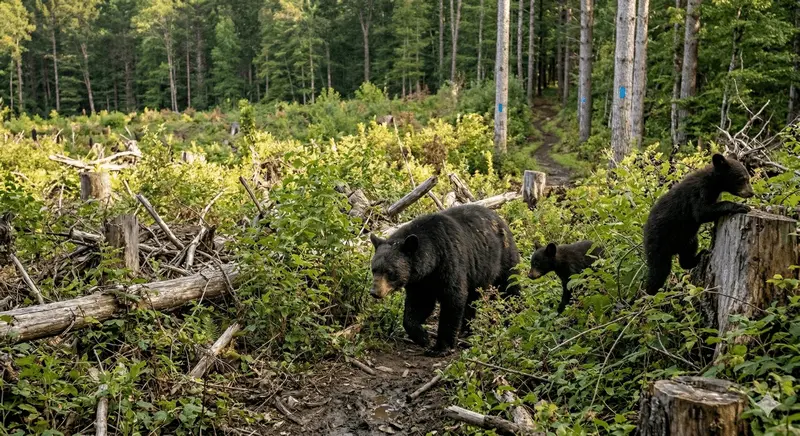
Prime Habitat: The region provides extensive remote, dense habitat (like that found near Tracy Ridge) that bears require for security and denning.
-
Food Source Management: Land managers focus on maintaining healthy "mast-producing" trees—especially oaks and beeches—which provide essential acorns and nuts for bears in the fall.
-
Coexistence: While managing the population, conservationists emphasize education for recreationists. This includes the use of bear-resistant food containers (required for dispersed camping in some areas) and educating visitors on "Bear Smart" practices to prevent human-bear conflicts.
-
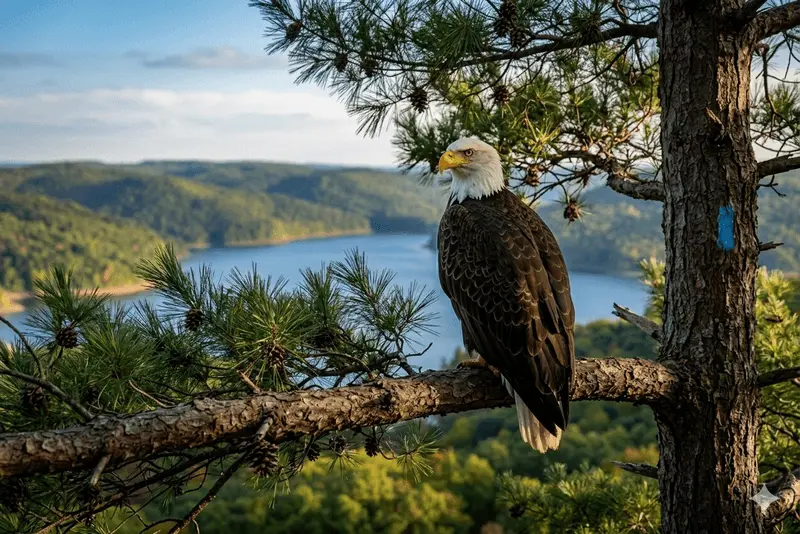
Bald Eagles & Osprey: The recovery of the Allegheny Reservoir as a clean fishery has led to a boom in bald eagles. Osprey have also been successfully reintroduced and now actively nest in the area. Management involves protecting nesting sites during the breeding season.
-
Eastern Bluebirds & Wood Ducks: Nest box programs (citizen science initiatives) have greatly boosted populations of these cavity-nesting birds, which lost natural nesting sites due to past logging and shoreline development.
-
Citizen Science Projects: Hikers on the North Country Trail and other regional paths are often enlisted in projects like:
-
Invasive Species Mapping: Spotting and reporting infestations of invasive plants like Japanese knotweed or emerald ash borer.
-
Breeding Bird Surveys: Volunteering to conduct seasonal counts in specific habitat zones.
-
Water Quality Monitoring: Testing streams and the reservoir to track health and identify pollution.
-
-
Active Volunteerism: Organizations like the North Country Trail Association (NCTA) local chapters and Friends of the Allegheny Wilderness (FAW) provide invaluable volunteer hours. They construct new trails, clear downed trees, maintain signs, and perform reforestation, serving as the essential boots-on-the-ground workforce for conservation.
Wildlife Management: A Focus on Habitat and Key Species
Wildlife management in the Kinzua region is inextricably linked to habitat management. State and federal biologists work together to ensure populations thrive.
1. Black Bear Management
The ANF is home to one of the healthiest black bear (Ursus americanus) populations in the eastern United States. This is due to the dense forest cover and abundance of food.
2. Iconic Birds of the Plateau
The region's vast forests and reservoir serve as critical habitat for special concern bird species.
Citizen Science and Stewardship
Conservation in the ANF is not solely the job of professionals; it is a collaborative effort involving local communities and volunteers.
Conclusion: A Dynamic Future
Conservation and wildlife management in the Kinzua region are not about freezing the landscape in time. They are about steering a dynamic ecosystem toward resilience and health. By embracing sustainable forestry, actively managing habitat for key species, and empowering volunteers, the guardians of the Allegheny Wilds ensure that this rugged landscape continues to thrive, providing clean water, essential habitat, and wild inspiration for generations to come.