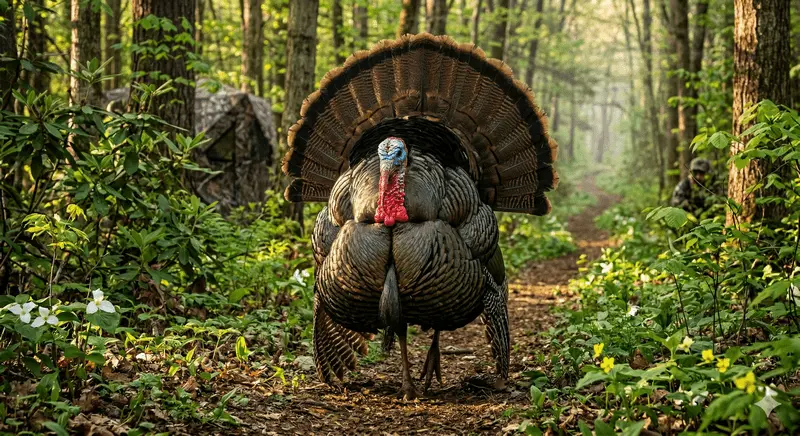
There is a singular, electric moment in the Pennsylvania wilds that defines the transition from dormant winter to vibrant spring. It’s not the first bloom or the warming air. It is the moment the pre-dawn silence is shattered by the explosive, rattling gobble of an Eastern Wild Turkey.
For thousands of hunters across the Commonwealth, Saturday, May 2nd, 2026, is the high holiday. It marks the opening of the spring gobbler season—a game of chess played with camouflage, diaphragm calls, and nerves of steel.
1. The 2026 Season Structure
The Pennsylvania Game Commission has set the framework for this year’s pursuit. Success starts with knowing the clock:
-
Statewide Opener: Saturday, May 2nd.
-
The Morning Phase (May 2 – May 16): Hunting hours are from one-half hour before sunrise until noon. This is designed to reduce disturbance to nesting hens in the afternoon.
-
The All-Day Phase (May 18 – May 31): Hunting hours extend from one-half hour before sunrise until one-half hour after sunset.
-
The Quarry: Only bearded birds may be harvested. While this usually means adult males (gobblers), a bearded hen is technically legal, though most hunters pass on them to preserve the population.
-
The Listening Post: Be on a high ridge at least 45 minutes before sunrise. Don't call. Just listen. If a bird gobbles on the limb, mark that spot on your GPS.
-
The Scratch Test: Look for "V" shaped disturbances in the leaves. Turkeys scratch toward their tails; the point of the "V" shows you which direction they were heading while feeding.
-
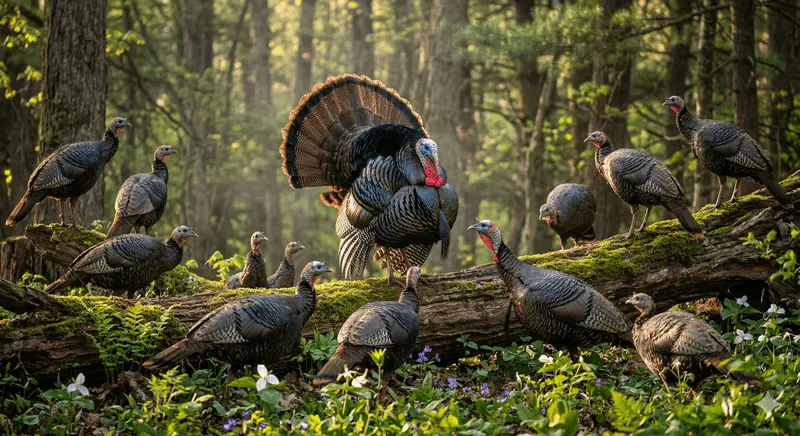
Patterning the Hens: Gobblers go where the hens are. If you find a group of hens feeding in a specific field every morning at 9:00 AM, the "boss gobbler" won't be far behind.
-
The Yelp: The bread and butter. Start soft. A "passive" yelp tells him you're there; an "excited" yelp tells him you're ready to meet.
-
The Purr and Soft Cluck: These are "confidence" calls. Use them when the bird is close (inside 60 yards) to reassure him that everything is safe.
-
Silence is a Tool: If a bird is gobbling his head off but staying in one spot ("hung up"), stop calling. Often, his curiosity and ego will get the better of him, and he’ll come looking for the "hen" that suddenly went quiet.
-
Positively Identify Your Target: Never shoot at a movement or a flash of color. You must see the beard clearly.
-
The Color Rule: Never wear red, white, or blue clothing (even socks or a handkerchief). These are the colors of a gobbler’s head and can lead to dangerous mistaken identity.
-
Shouting, Not Waving: If you see another hunter approaching your setup, do not wave or move. Speak up in a loud, clear voice: "Hunter over here!"
2. Scouting the "Roost"
In the weeks leading up to May 2nd, your job is to become a ghost in the woods. You want to find where the birds are sleeping without letting them know you're there.
3. The Art of the Conversation
Spring turkey hunting is unique because it is a proactive conversation. You are playing the part of a lonely hen, and you want the gobbler to break his natural rule (which is to make the hen come to him).
4. Safety and Ethics
Turkey hunting is a game of total concealment, which makes safety paramount.